 (Image via
From picky toddlers to ravenous teens, and from the first days of a new baby to a household bustling with different tastes, feeding a family is an ever-evolving adventure! Just when you think you’ve got it all figured out, a new dietary need, a sudden food aversion, or a growth spurt comes along to shake up your meal plan. It’s one of the biggest challenges of family life, but what if you could create a nutrition routine that grows with you?
Welcome to the amazing world of scalable nutrition! It’s all about creating flexible, stress-free systems that nourish every member of your family, no matter their age or stage. Get ready to discover fantastic strategies that will save you time, reduce mealtime drama, and build a foundation of healthy habits for life.
The Beautiful Chaos of a Growing Family Table
Feeding a family is so much more than just putting food on the table. It’s a dynamic puzzle with constantly changing pieces.
- Diverse Needs: A toddler needs nutrient-dense, easy-to-chew foods. A teenager needs fuel for sports and growth spurts. A new parent needs energy-boosting, easy-to-grab meals.
- Picky Eaters: One child loves broccoli, the other declares it their mortal enemy.
- Time Crunches: Busy schedules mean less time for complicated cooking.
This is where a scalable nutrition plan becomes your secret weapon. It’s not a rigid diet; it's a flexible framework that adapts to your family's unique and changing needs.
Brilliant Strategies for a Flexible Kitchen
Ready to make mealtime more joyful and less stressful? These incredible strategies are your ticket to a scalable and sustainable routine.
1. Embrace the "Deconstructed" Meal
This is a game-changer for families with different preferences. Instead of serving a finished dish, offer the components separately and let everyone build their own meal.
- Taco Night: Set out bowls of seasoned ground meat or beans, shredded lettuce, chopped tomatoes, cheese, salsa, and tortillas. Everyone creates their perfect taco.
- Build-a-Bowl: Offer a base like quinoa, rice, or pasta. Then, provide toppings like roasted veggies, grilled chicken, chickpeas, and various sauces.
- DIY Pizza: Provide small pizza crusts (or pita bread) and a buffet of toppings for a fun, personalized dinner.
2. Master the Art of Batch Cooking
Cooking in larger quantities saves an incredible amount of time and mental energy during the week. It’s all about cooking once and eating multiple times.
- Grain Central: Cook a big pot of rice, quinoa, or pasta at the start of the week. Use it as a side dish, a base for bowls, or an addition to soups.
- Protein Prep: Grill a large batch of chicken breasts, roast a pork loin, or cook a big pot of lentils. You can then slice, shred, or use them in different meals all week.
- Sauce Boss: Make a large batch of tomato sauce or pesto. Freeze it in smaller portions for quick pasta nights.
3. Involve Everyone in the Process
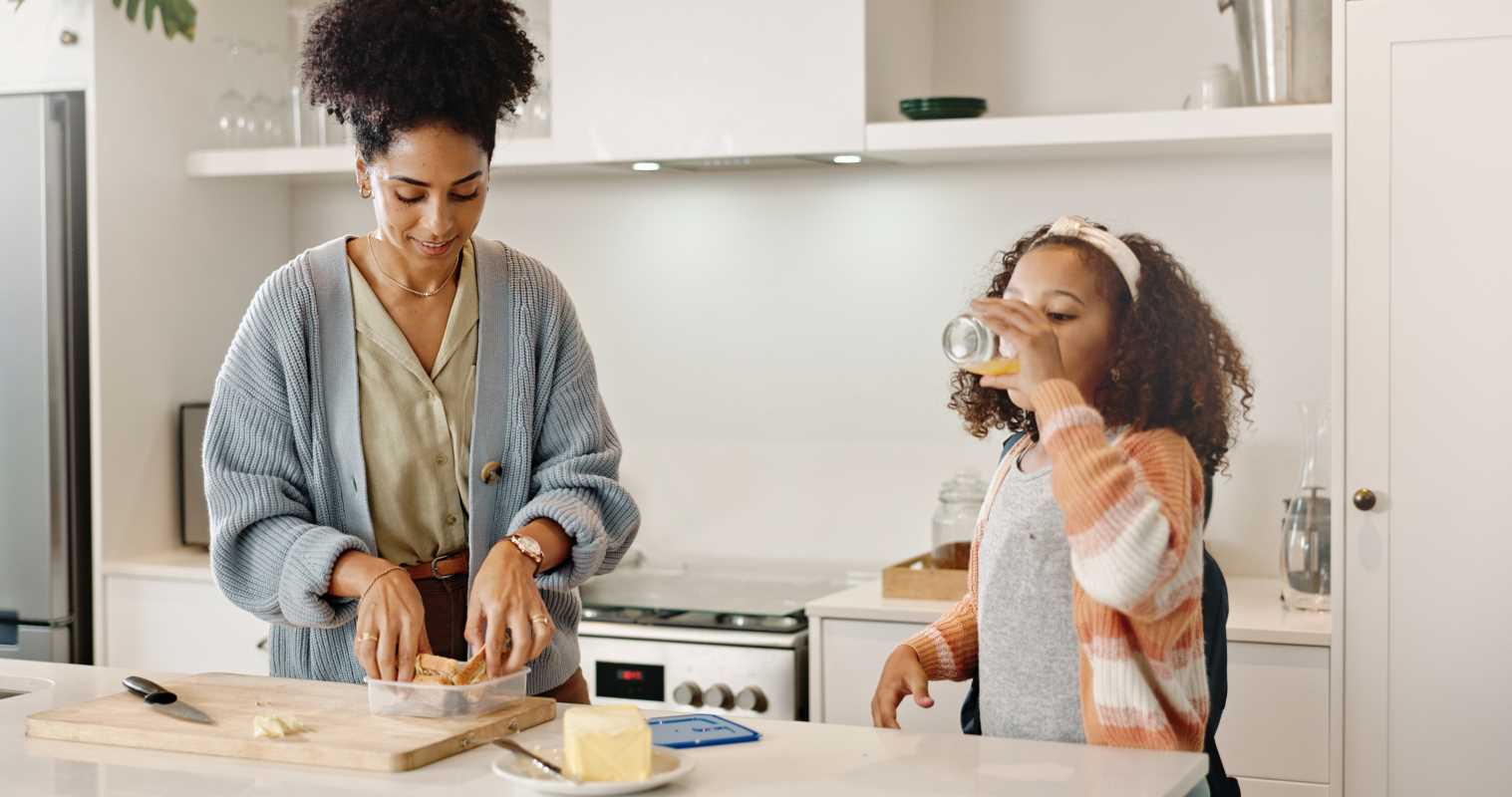
Turn meal prep from a chore into a fun family activity. When kids have a hand in making the food, they are far more likely to eat it.
- Little Helpers (Ages 3-6): Can wash vegetables, stir ingredients, or use cookie cutters to make fun shapes out of sandwiches.
- Sous Chefs (Ages 7-12): Can measure ingredients, set the table, or toss a salad.
- Teen Chefs (Ages 13+): Can be responsible for planning and cooking one meal a week, which builds incredible life skills.
Actionable Tips for Planning, Shopping, and Prepping
Ready to put these ideas into action? Here’s your practical guide to creating a scalable nutrition routine that works.
- Plan with Flexibility:
- Instead of planning seven distinct dinners, try planning around versatile "anchor" ingredients. For example, a whole roasted chicken can be dinner on Sunday, shredded for tacos on Tuesday, and used to make chicken noodle soup on Thursday.
- Keep a "Theme Night" schedule (e.g., Meatless Monday, Taco Tuesday, Pasta Thursday) to simplify planning.
- Shop Smart:
- Keep your pantry stocked with versatile staples like canned beans, tomatoes, pasta, rice, and oats.
- Buy freezable items like ground meat, chicken, and bread in bulk when they are on sale.
- Let each child pick one fruit and one vegetable at the grocery store to get them invested.
- Prep for Success:
- The Sunday "Power Hour": Dedicate one hour on the weekend to prep for the week ahead. Wash and chop veggies, make a big salad, or portion out snacks into grab-and-go containers.
- Freeze for Your Future Self: Double recipes for things like soups, stews, and casseroles. Eat one now and freeze the other for a busy night when you don’t have time to cook.
The Lasting Benefits of a Shared Food Culture
Creating a scalable nutrition routine is about so much more than just efficient meal prep. You are building a positive and healthy food culture in your home.
- Reduced Stress: Knowing you have a plan and prepped ingredients takes the daily "what's for dinner?" panic off the table.
- Healthier Habits: When nutritious food is easy and accessible, everyone is more likely to make healthy choices.
- Stronger Connections: Cooking and eating together provides precious time to connect, talk, and create lasting memories.