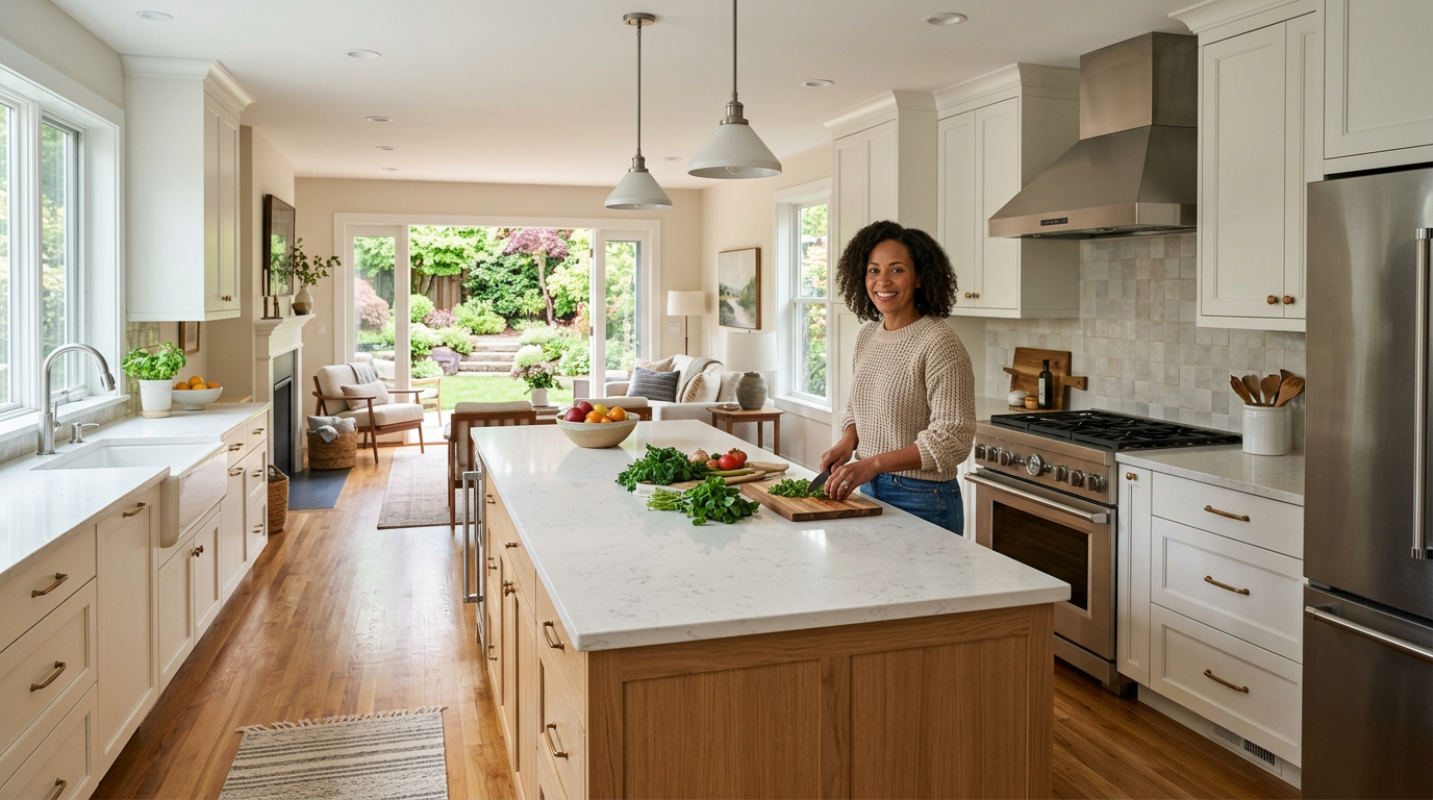
 (Image source: Gemini)
 Most of those "dream" projects are actually terrible investments if you are looking at them purely from a financial perspective. When you decide to put money into your house, you are wearing two hats at once. You are the homeowner who wants a beautiful place to live, and you are the investor who wants to protect your largest asset. The tricky part is that these two versions of you rarely want the same thing. Your inner decorator might want that trendy, dark green kitchen cabinet set, but the investor in you needs to know that "Agreeable Gray" is finally dead, and warm, organic tones are what actually sell a house in 2026.
So what does this actually mean for your wallet? It means you have to distinguish between personal enjoyment and resale value. Not every dollar you spend will come back to you when you sell. In fact, some of the most expensive projects offer the worst return on investment. If you want to make sure your home improvement budget actually builds equity, you have to focus on the things that make a buyer feel safe, secure, and impressed before they even walk through the front door.
High Impact Exterior Upgrades
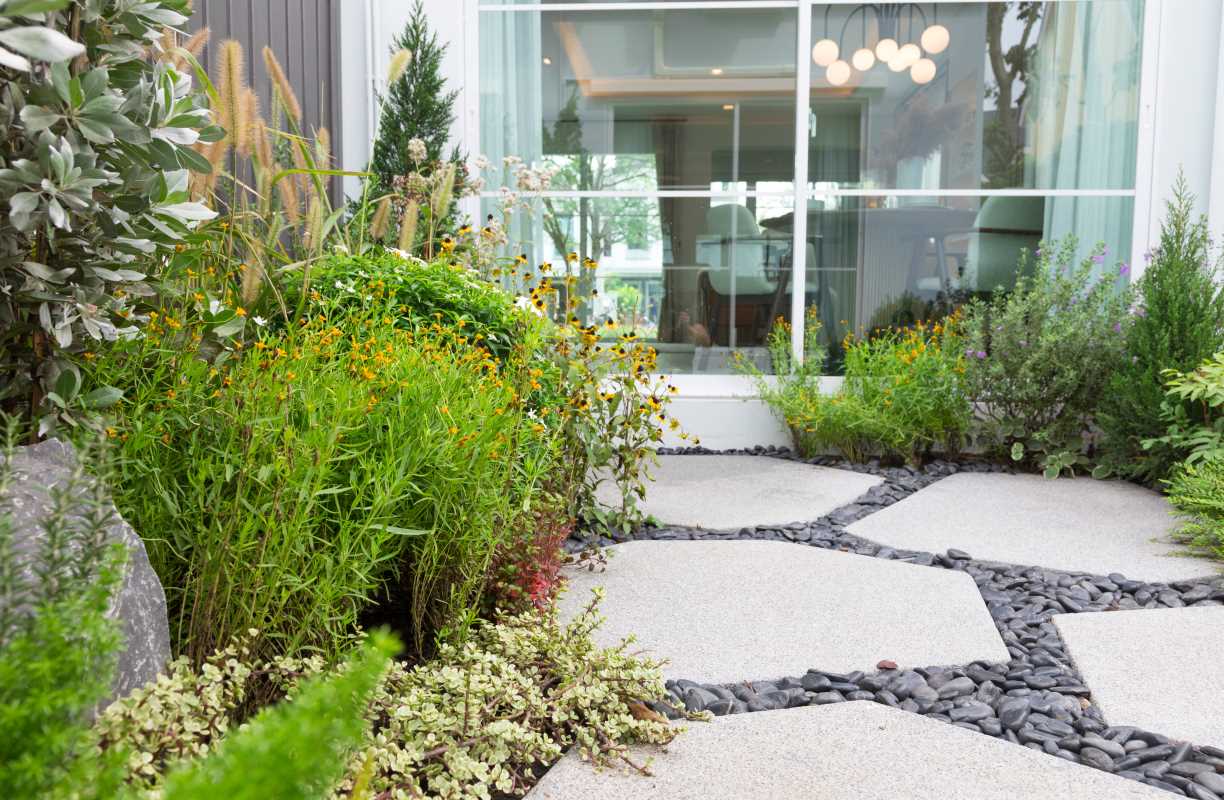
First impressions are everything in real estate. Think of your home's exterior like a digital profile picture. If it looks dated or neglected, buyers will swipe left before they even see your beautiful hardwood floors. This is why exterior replacement projects are currently crushing interior remodels for ROI.
Recent data from the 2025 Cost vs. Value reports shows a staggering trend. For the first time, several exterior projects are yielding returns of over 200 percent.¹That means you could potentially double your money just by fixing up the "envelope" of your house.
The undisputed king of ROI right now is the humble garage door replacement. It sounds boring, right? But a new, modern garage door can recoup between 268 percent and 349 percent of its cost in high-demand regions.¹ It is a relatively low-cost fix, usually around $4,700, that completely transforms the face of your home. It signals to a buyer that the house is well-maintained and secure.
Your front door is another heavy hitter. Swapping out a tired old entry for a new steel door is one of the smartest moves you can make. It offers an immediate boost in security and curb appeal, often recouping over 215 percent of what you spent.¹ Although you are at it, don't overlook landscaping and exterior lighting. Adding some stone veneer to the bottom third of your home’s front can yield a 200 percent return.¹ These are the projects that make your property feel premium from the curb.
Strategic Kitchen and Bathroom Refreshments
We have all heard that "kitchens sell houses." Although that is true, it is also where most homeowners lose the most money. If you go out and spend $80,000 on a full gut-renovation with professional-grade appliances and custom marble, you are almost guaranteed to lose money on the deal.
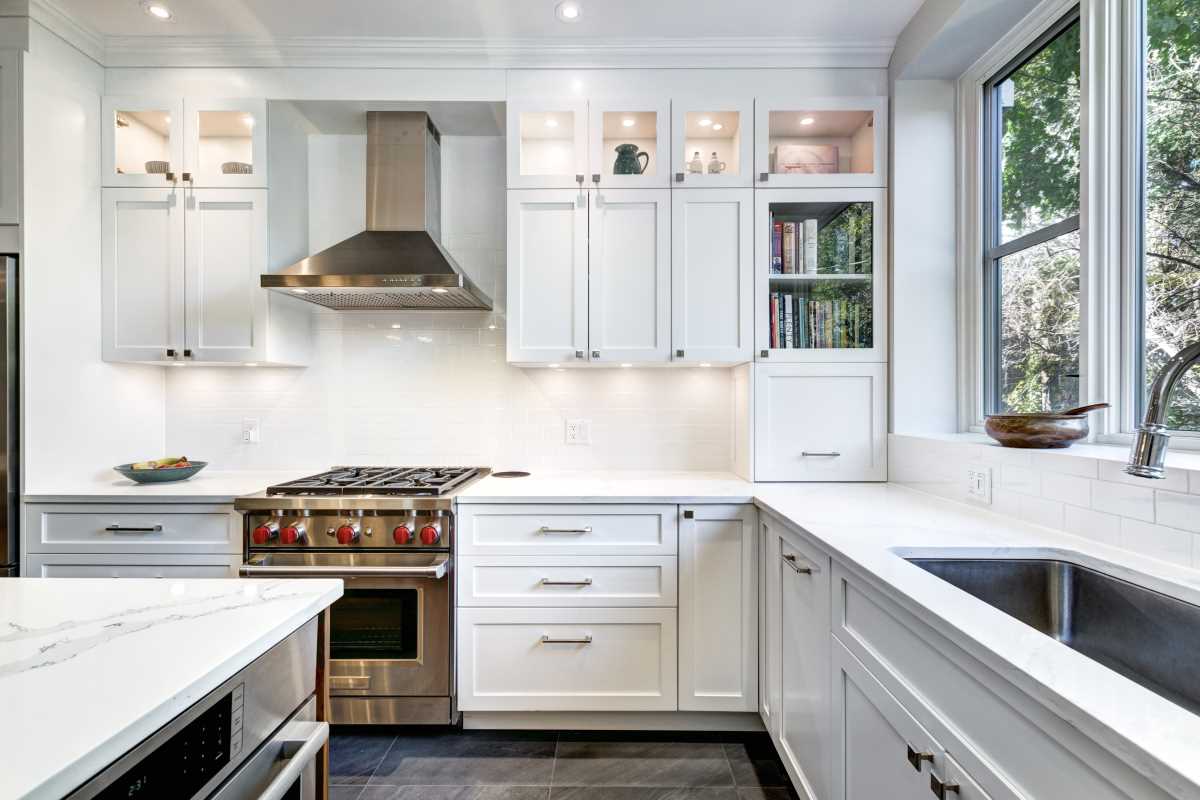
The secret to winning in the kitchen is the minor remodel. We are talking about cosmetic updates that pack a punch without moving plumbing or knocking down walls. Focus on refacing your cabinets instead of replacing them. Swap out dated chrome hardware for something more modern in a warm brass or matte black finish. Replace your old, mismatched appliances with energy-efficient models that actually match.
The same logic applies to your bathrooms. A midrange refresh, like a new vanity, updated lighting, and a fresh tile floor, will usually recoup about 75 percent to 80 percent of its cost. If you start adding steam showers and heated floors, your ROI will plummet. You have to avoid over-personalization. You might love that bold, patterned wallpaper in the powder room, but a buyer just sees a Saturday spent with a steamer and a scraper.
Energy Efficiency and Long-Term Sustainability
Buyers in 2026 are smarter than ever about the hidden costs of homeownership. They aren't just looking at the mortgage. They are looking at the utility bills. This has made energy efficiency a massive value builder.
Replacing old, drafty windows with vinyl window replacements is a solid move. Although the upfront cost can be steep, the ROI has been climbing and now sits around 75 percent to 80 percent.¹ Plus, it is a huge selling point when you can prove that the home stays comfortable year-round without the HVAC system working overtime.
We are also seeing a huge surge in demand for backup power. For the first time, backup generators have entered the top ten list for ROI.¹ Between climate concerns and aging power grids, buyers are willing to pay a premium for the peace of mind that comes with knowing their lights will stay on during a storm.
Don't forget the small stuff either. Smart home tech like programmable thermostats, smart lighting, and integrated security systems are low-cost additions with high perceived value. Zillow data shows that homes with smart lighting can see significantly more interest from buyers than those without.⁹ It is the modern equivalent of having a finished basement. It is a "nice to have" that makes your house stand out in a crowded market.
The Invisible Value Builder
Now we have to talk about the "boring" stuff. Nobody gets excited about a new water heater or a reinforced crawl space, but these are the projects that actually protect your equity. Think of it like the engine in a car. You can have the prettiest paint job in the world, but if the engine is smoking, nobody is buying.
Deferred maintenance is a total deal killer. If a buyer’s inspector finds a roof that is ten years past its prime or an HVAC system that is on its last legs, they aren't just going to ask for a repair. They are going to get nervous about what else you haven't been fixing. They might even walk away entirely.
Prioritizing things like roof repairs, siding maintenance, and regular servicing of your home's mechanical systems matters. These projects don't always show up as a 200 percent ROI on a spreadsheet, but they prevent your home's value from cratering during the inspection phase. Keep detailed records of every repair and upgrade you make. Being able to hand a prospective buyer a folder full of maintenance receipts is a powerful way to prove your home's condition and justify a higher asking price.
Finding Your Sweet Spot Between Joy and Profit
At the end of the day, your home is more than just a line item on a balance sheet. It is where you live your life. If you really want a primary suite addition because it will make your mornings more peaceful, you should do it. Just do it with your eyes open.
Know that while a major suite addition might have a "Joy Score" of ten out of ten, it might only recoup 30 percent of its cost. If you plan on living in the house for another ten or fifteen years, that "loss" is just the price of your own happiness. But if you are planning to move in two years, you should probably stick to the garage door and the kitchen paint.
The smartest renovations are the ones that balance your daily needs with broad market appeal. Keep your colors warm and neutral, focus on the exterior first, and never neglect the "invisible" maintenance that keeps the house standing. Before you pick up a sledgehammer for a major project, it is always a good idea to chat with a local real estate agent. They know exactly what buyers in your specific neighborhood are looking for right now.
This article on fitzsfinest.com is for informational and educational purposes only. Readers are encouraged to consult qualified professionals and verify details with official sources before making decisions. This content does not constitute professional advice.